
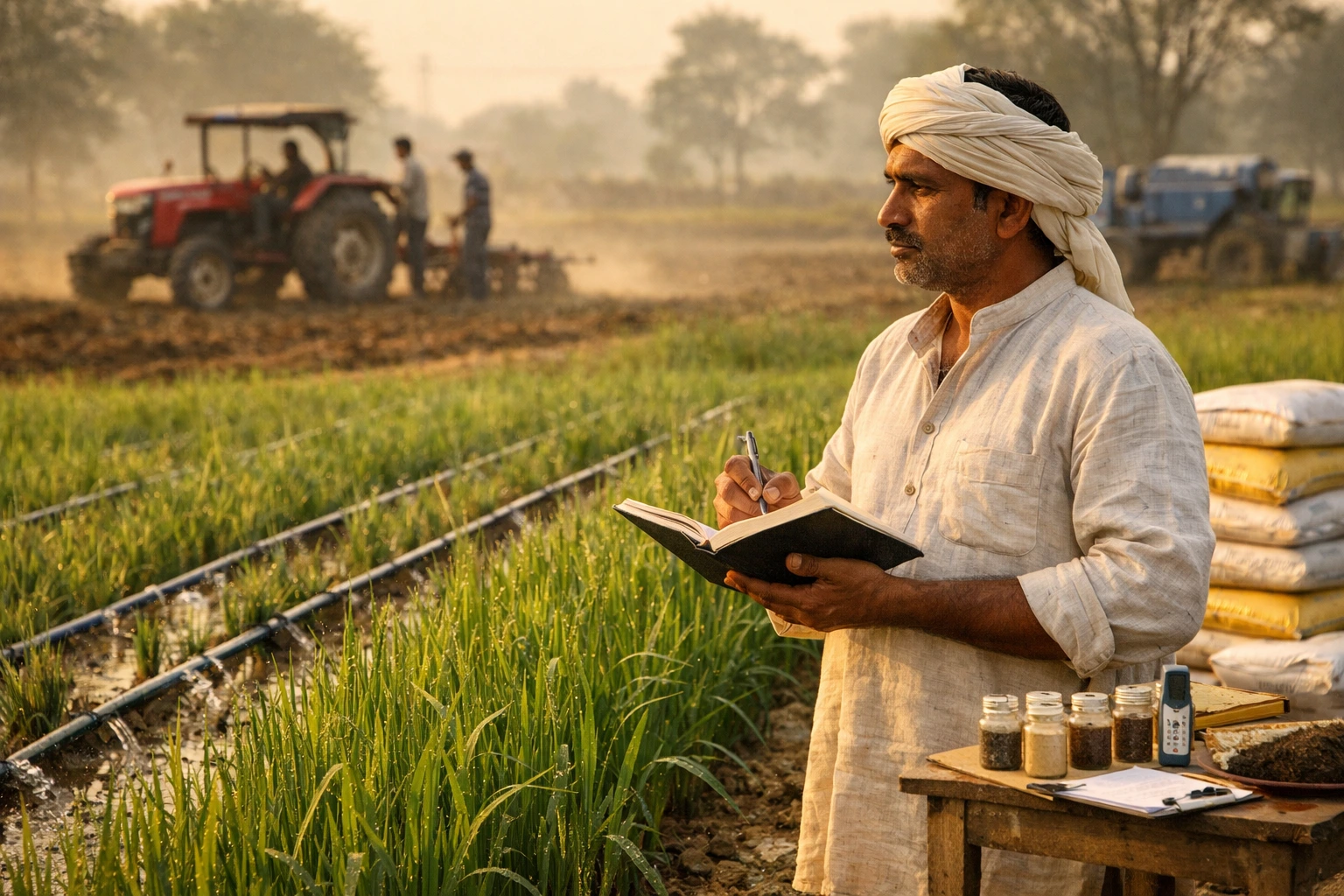
Cost Reduction Strategies in Agriculture for Farmers
Farming has become more expensive in recent years. The prices of seeds, fertilizers, pesticides, fuel, labor, and electricity have all increased. Because of these rising farming costs, many farmers find it difficult to maintain good profits.
Many farmers think the only way to save money is to reduce inputs like fertilizers or irrigation. But this can affect crop growth and lower the final yield. The better approach is to use resources carefully and avoid unnecessary spending. With better planning and a few practical steps, farmers can reduce their farming costs while still maintaining good production.
This blog explains ways farmers can control their expenses without affecting crop yield.
Which are the Major Costs Farmers Face in Agriculture
Before reducing costs, it is important to understand where the money is being spent. The main farming expenses usually include:
- Seeds
- Fertilizers and pesticides
- Irrigation and electricity
- Labor
- Machinery and fuel
- Transportation
When farmers track these expenses, they can clearly see which areas require the most spending. This helps them identify where small changes can reduce costs. Fortunately, there are several simple ways farmers can reduce farming costs without affecting crop production.
Strategies for Cost Reduction in Agriculture for Farmers
How Soil Testing Helps Reduce Fertilizer Costs
Many farmers apply fertilizers based on habit or guesswork. Sometimes fertilizers are used in larger quantities than the soil actually needs.
Soil testing helps farmers understand the nutrient levels in their soil. It shows whether the soil lacks nitrogen, phosphorus, potassium, or other nutrients. The test itself costs very little compared to the money it can save.
Based on this information, farmers can apply the correct amount of fertilizer. This prevents unnecessary spending and also improves soil health over time. Using balanced nutrients helps crops grow better and reduces the risk of wasting fertilizer.
Choosing the Right Seeds for Better Crop Growth
Seeds play a major role in crop production. Poor-quality seeds can lead to weak plants and low germination, which may require additional inputs later.
- Farmers should select seeds that are suitable for their local climate, soil type, and growing season.
- Good-quality seeds usually grow stronger plants that require fewer corrections later.
When crops start well, farmers often spend less on fertilizers, pesticides, and replanting.
How Efficient Irrigation Can Reduce Water and Energy Costs
Irrigation is another major cost in farming, especially where electricity or diesel pumps are used.
Farmers can reduce irrigation costs by:
- Watering crops only when necessary
- Avoiding excessive irrigation
- Repairing leaks in irrigation pipes
- Leveling fields properly so water spreads evenly
In some areas, methods like drip or sprinkler irrigation can also help save water and electricity. These systems require some investment, but they often pay for themselves over time through lower water and energy bills.
Efficient use of water not only reduces costs but also improves crop health.
Renting or Sharing Farm Machinery to Lower Equipment Costs
Buying tractors and other farm equipment requires a large investment. For small and medium farmers, purchasing machinery may not always be practical.
- Instead, farmers can rent machinery when needed.
- Many villages now have equipment available through Custom Hiring Centers or local machinery services.
- Farmers can also share machinery with neighbors or within farmer groups.
This allows farmers to use modern equipment without spending a large amount of money on machines that may sit idle for most of the year.
Platforms like Khetavya also help farmers connect with machinery services, farming support, and other resources that can reduce farming costs.
Managing Pests Carefully to Reduce Pesticide Expenses
Pesticides can become a major expense if they are used too frequently.
Instead of spraying pesticides on a fixed schedule, farmers should first check whether pests are actually present in large numbers.
Some useful steps include:
- Regularly walking through fields to check for pest activity
- Removing infected plants early to prevent spread
- Encouraging natural pest predators such as birds or beneficial insects
- Using pesticides only when necessary
This approach helps protect crops while reducing chemical costs. It also slows down the development of pesticide resistance in pests.
Proper Farm Planning to Avoid Unnecessary Costs
Good planning can prevent many unnecessary expenses during the farming season.
Farmers can reduce costs by:
- Sowing crops at the right time
- Maintaining proper plant spacing
- Managing weeds early before they become a bigger problem
- Planning labor during busy periods such as sowing and harvesting
When farm activities are done on time, crops grow better and require fewer corrections later. Small delays can sometimes lead to higher costs or lower yields.
How Farmer Groups Help Reduce Farming Expenses
Farmers can also reduce costs by working together.
When farmers form groups, they can:
- Purchase seeds and fertilizers in bulk at lower prices
- Share transportation costs when moving produce to market
- Use farm machinery together
- Share storage facilities
Working together often reduces the cost per farmer and makes farming more affordable.
Many farmer groups also find it easier to access information and support from agricultural extension services.
Reducing Post-Harvest Losses to Protect Farm Income
Some farming costs increase because crops are lost after harvest due to poor handling or storage. When a portion of the crop goes to waste, all the money spent on growing it is also wasted.
Farmers can reduce these losses by:
- Harvesting crops at the right stage
- Cleaning and grading produce before storage
- Using proper storage structures that protect from moisture and pests
- Transporting crops to the market at the right time
Reducing post-harvest losses ensures that more of the harvested crop is sold, which improves overall income.
Reducing Farming Costs While Maintaining Good Crop Yield
Rising input prices have made farming more expensive for many farmers. However, reducing costs does not mean reducing crop yield.
By leveraging these agricultural cost reduction strategies such as using fertilizers based on soil testing, selecting suitable seeds, managing water carefully, sharing machinery, and planning farm activities properly, farmers can control their expenses.
Small improvements in daily farming practices can make a big difference over time and help farmers improve their overall income.